
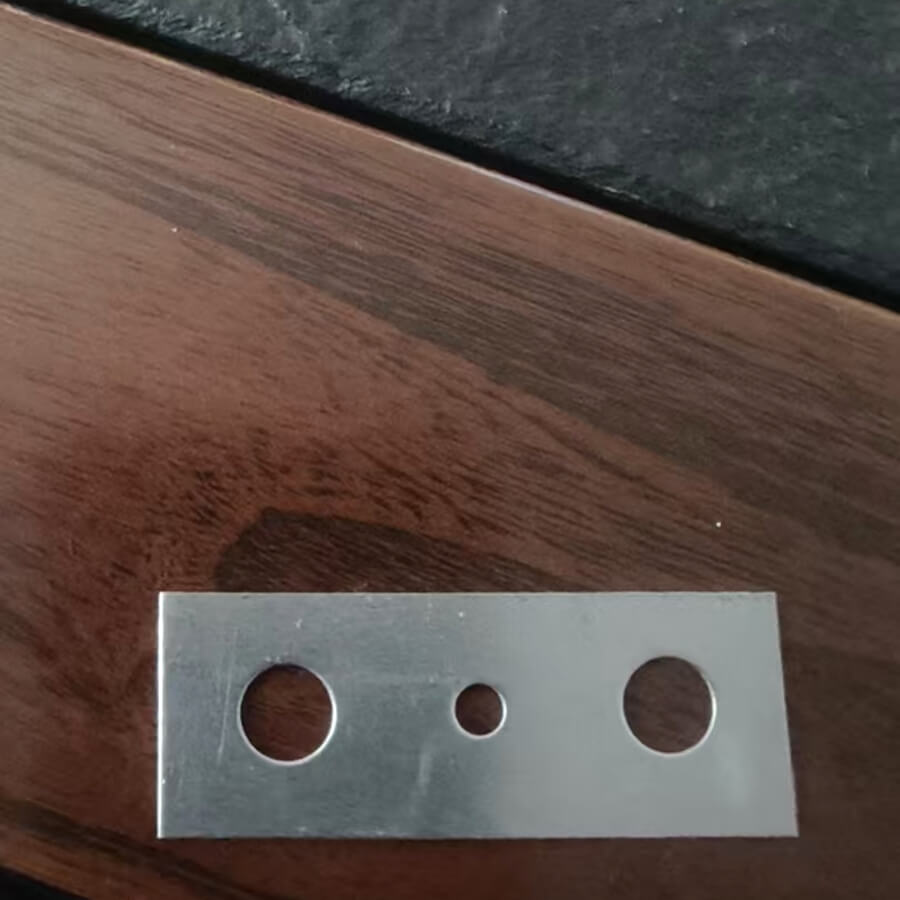
XWELL has prepared and shipped a 63T busbar punching machine to India for battery pack assembly applications. The equipment is used to punch aluminum and copper connector plates, commonly used as battery busbars or battery pack connection tabs.
In lithium battery pack production, busbar quality directly affects module connection, current carrying performance, welding preparation, and assembly consistency. A dedicated punching machine helps manufacturers produce cleaner and more repeatable busbar holes before spot welding, laser welding, riveting, bolting, or other connection processes.
Quick Summary
- Destination: India.
- Equipment: 63T punching machine with customized mold, material rack, and feeder support.
- Application: Punching aluminum and copper battery busbar connector plates.
- Process value: More consistent hole position, cleaner connector preparation, and better support for battery pack assembly.
- Shipment preparation: Machine inspection, structure check, image documentation, and export packing before delivery.
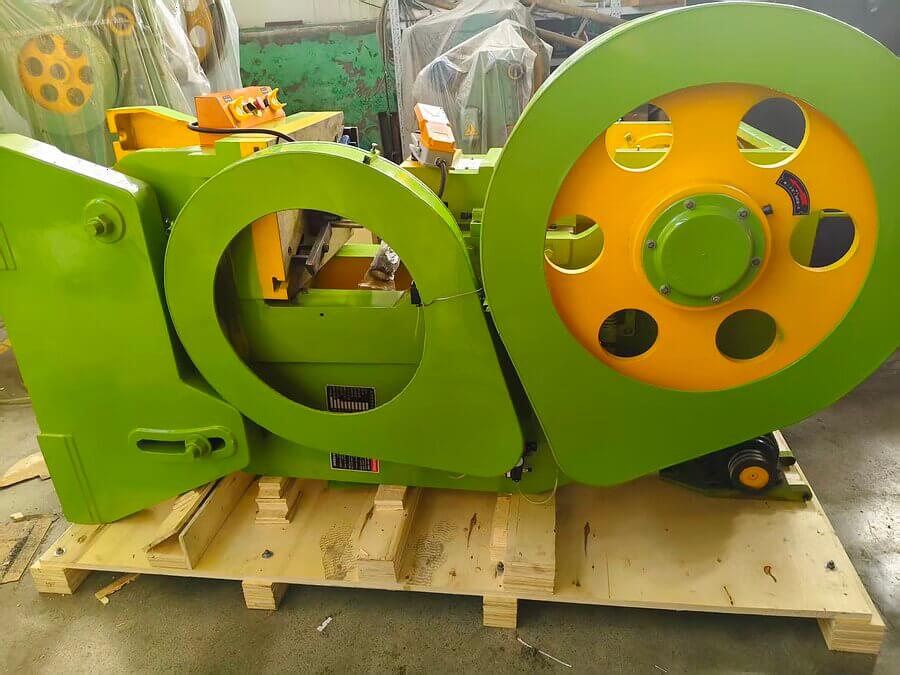
63T Busbar Punching Machine Prepared for India
The shipped equipment is a 63T punching machine designed for metal connector processing. In battery manufacturing, this type of machine can be used to prepare aluminum and copper busbar parts with the required hole pattern and shape before module connection.
Reference specifications include 63T punching capacity, 55 strokes per minute, and a 100 mm stroke. For production teams handling different battery pack layouts, a customized mold and feeding support can help improve repeatability and reduce manual positioning errors.
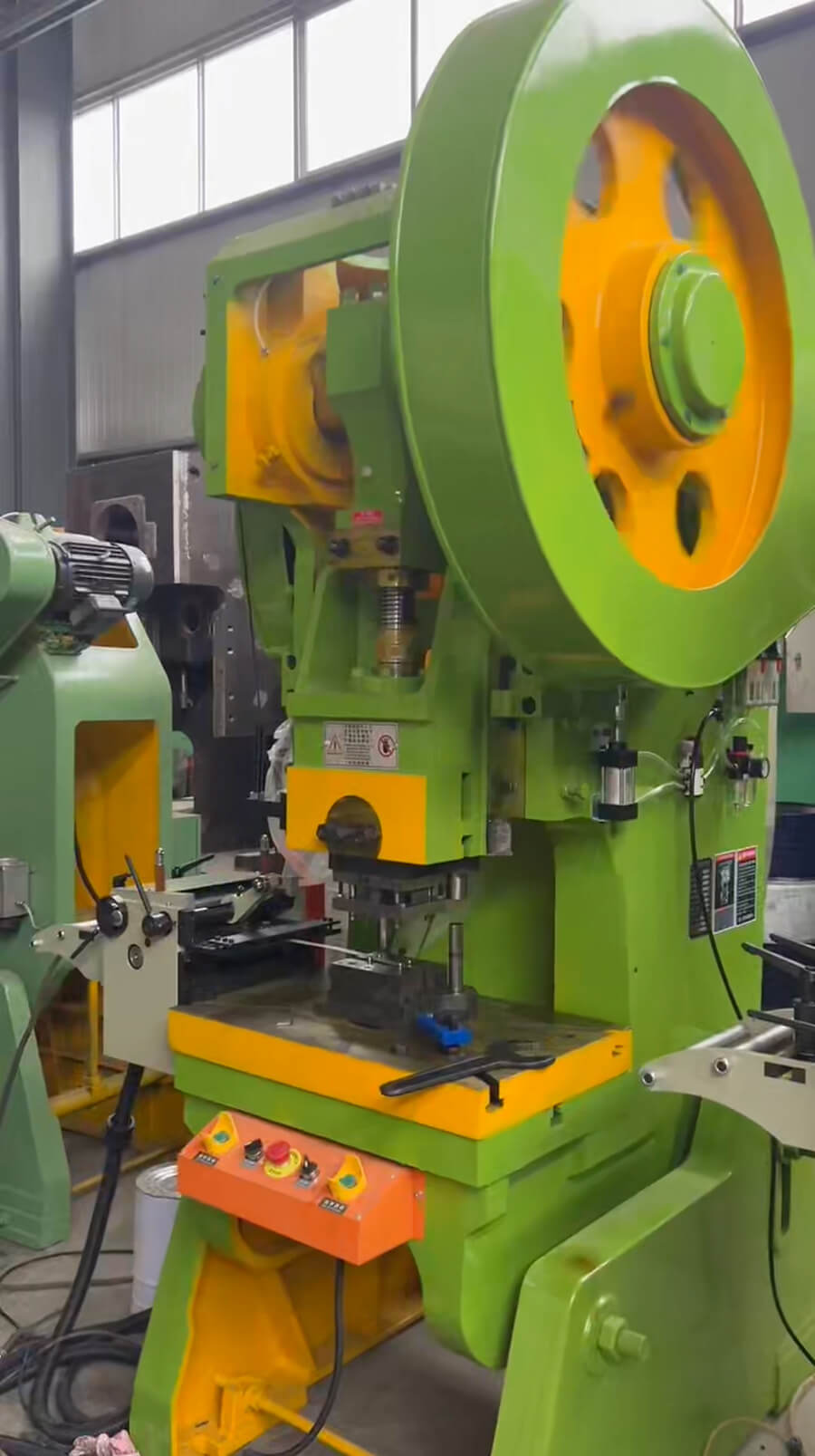
Why Battery Busbar Punching Matters
Battery busbars connect cells, modules, and pack circuits. They may be made from aluminum, copper, or copper-aluminum composite structures depending on cell chemistry, pack design, current level, and joining process. Before the busbar is welded or fastened, hole position and edge quality must be controlled.
A battery busbar punching machine helps manufacturers prepare consistent connector plates. This is especially useful when the same busbar design needs to be produced repeatedly for EV battery packs, energy storage systems, electric two-wheelers, power tools, or battery module prototypes.
Pre-Shipment Structure and Function Check
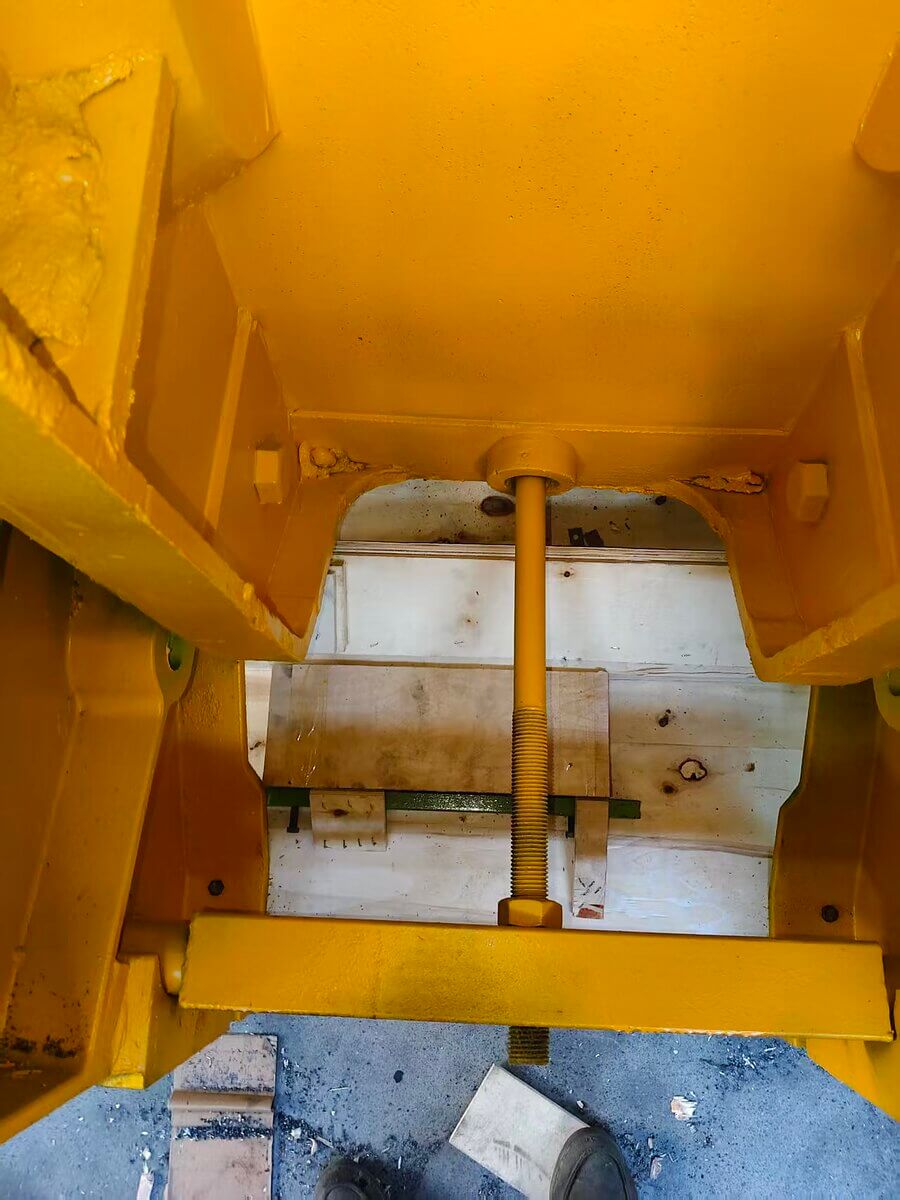
Before delivery, XWELL checked the machine appearance, punch structure, drive side, working area, and related accessories. The machine was prepared with attention to the key areas that affect stable punching: mold alignment, feeding path, mechanical movement, and operator control points.
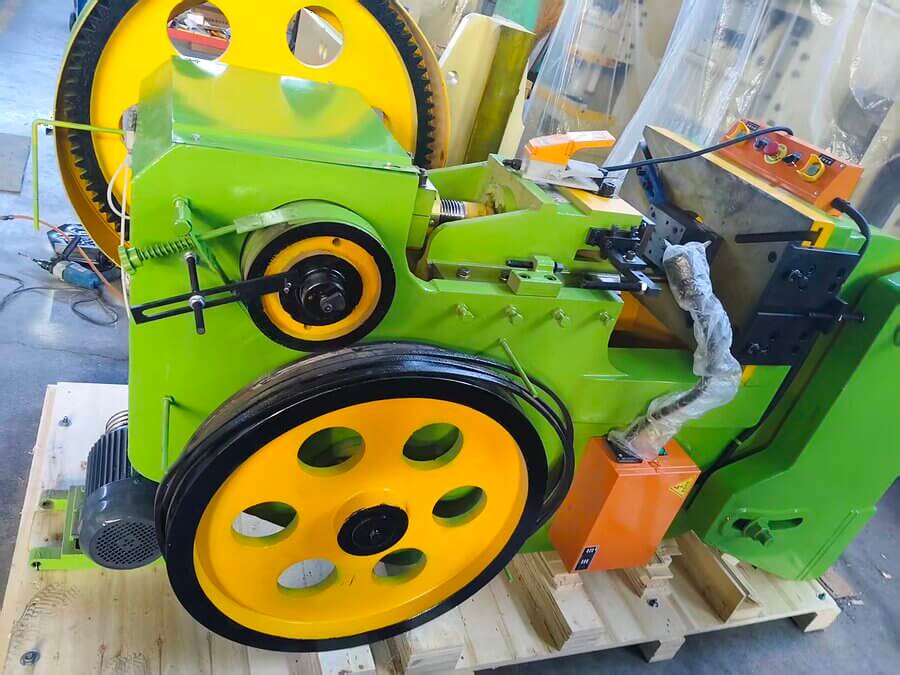
For overseas battery equipment deliveries, pre-shipment checks are important because the customer needs the machine to arrive ready for installation, commissioning, and operator training. Clear machine photos also help both sides confirm equipment condition before packing.
Connection Between Busbar Processing and Battery Pack Assembly
Busbar punching is an upstream preparation step, but it influences several downstream battery pack processes. Accurate holes and consistent part dimensions make it easier to position busbars during module assembly. They also help improve alignment before spot welding, laser welding, bolting, or insulation installation.
For buyers planning a battery pack production line, busbar preparation should be considered together with cell sorting, module compression, welding, insulation, BMS connection, testing, and aging. When these steps are planned as one process flow, the final battery pack is easier to assemble and inspect.
FAQ
What is a busbar punching machine used for?
It is used to punch holes or shapes in metal connector plates, such as aluminum and copper busbars for battery pack assembly.
Why use a punching machine instead of manual drilling?
A punching machine provides better repeatability, faster batch processing, and more consistent hole positioning than manual drilling for production applications.
Can the punching mold be customized?
Yes. Busbar hole patterns and connector shapes usually depend on the battery pack design, so customized molds are often required.
Which battery pack processes are related to busbar punching?
Busbar punching is related to module assembly, spot welding, laser welding, bolted connection, insulation installation, and final battery pack testing.
About XWELL Battery Assembly Equipment
XWELL supplies battery assembly machines and supporting equipment for cell sorting, spot welding, module assembly, connector preparation, compression, inspection, testing, and battery lab applications. For battery pack manufacturers working with aluminum or copper busbar designs, XWELL can support equipment selection based on connector material, thickness, hole pattern, production volume, and downstream joining process.