
XW-5V50A32CH Prismatic Battery Cell Grading Machine
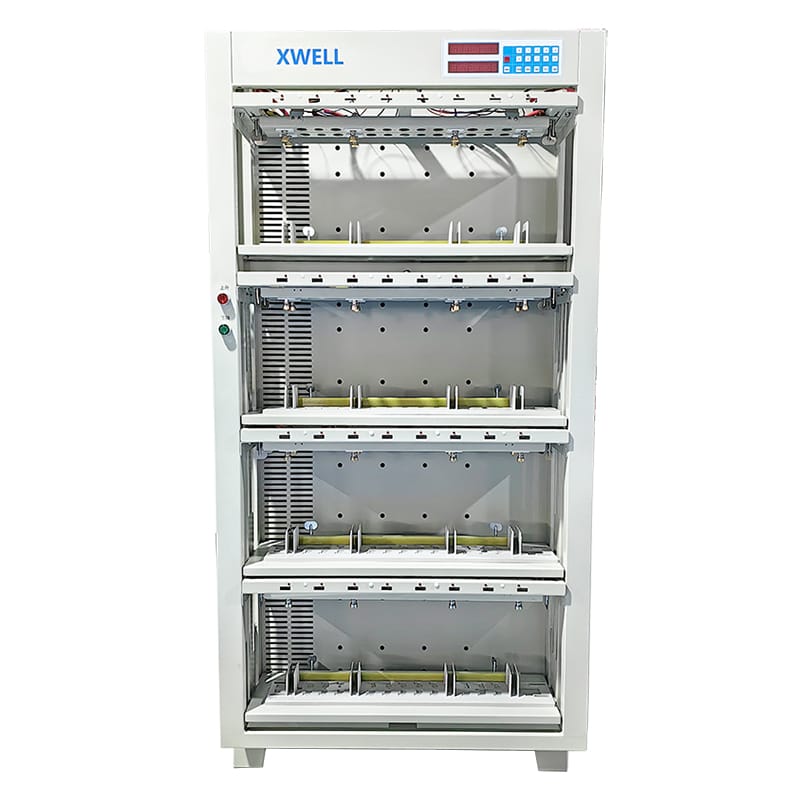
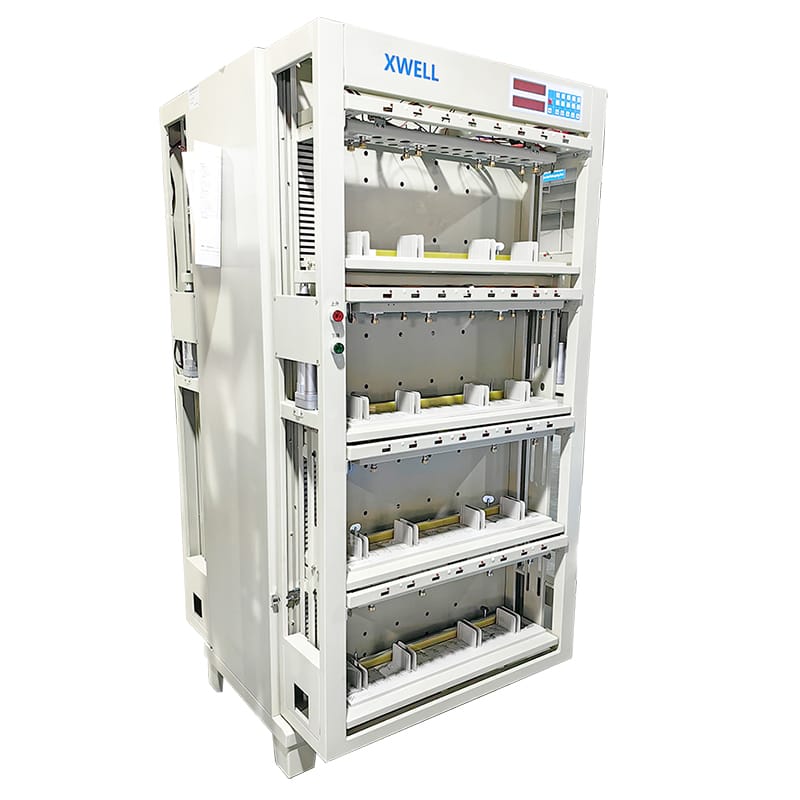
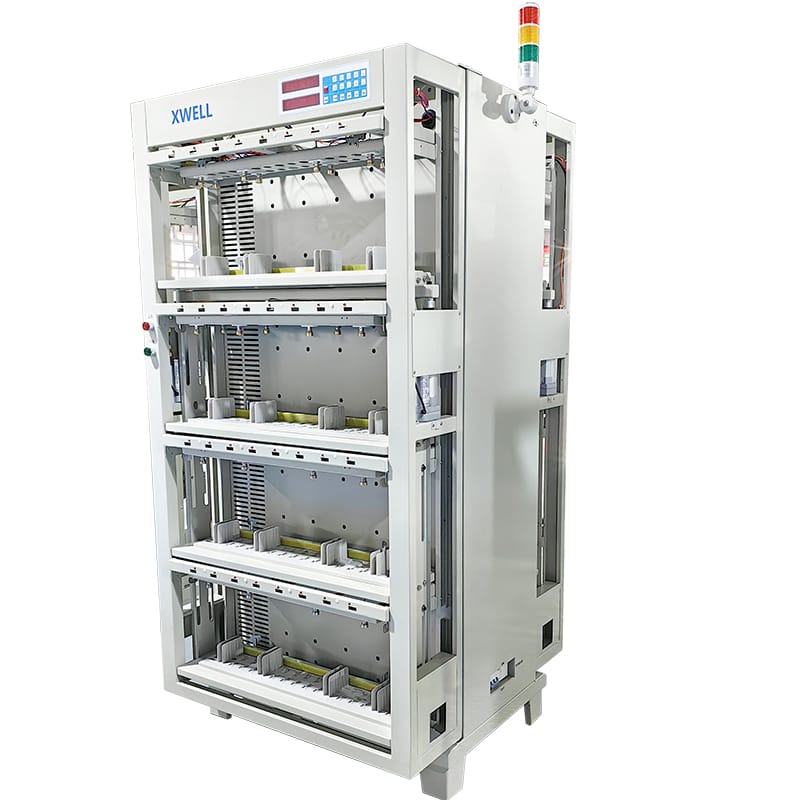
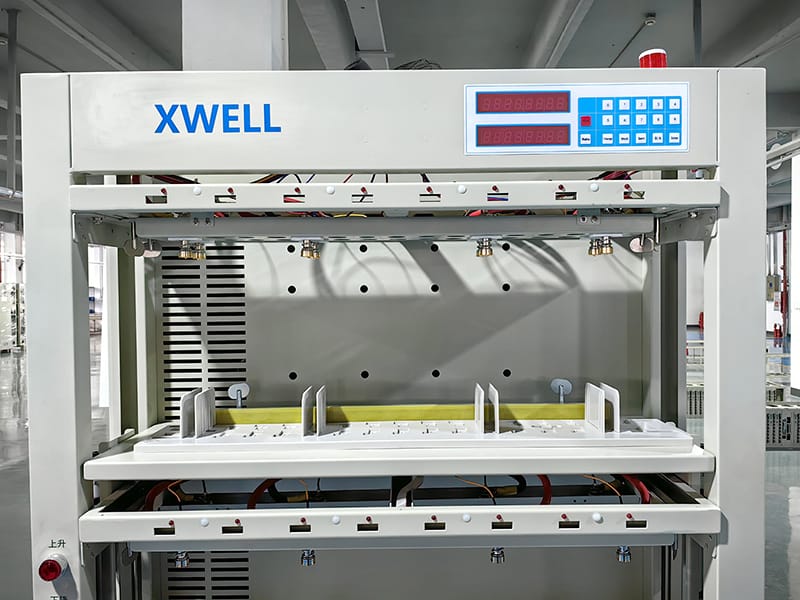
Model: XW-5V50A32CH
Application: prismatic lithium battery cell grading, capacity sorting and consistency testing
Test range: 5V, 50A current, 32CH channel configuration
Usage: LFP prismatic cell production, energy storage cell matching and module assembly preparation
Data: computer software for test step setting, data recording and quality analysis
Warranty: 1 year
XW-5V50A32CH Prismatic Battery Cell Grading Machine is designed for prismatic lithium battery cell grading, charge-discharge capacity sorting and consistency testing. It helps battery manufacturers classify prismatic cells before module assembly, so cells with similar capacity, voltage behavior and cycle performance can be matched into the same battery module or pack.
This model provides a 5V test voltage, 50A current and 32CH channel configuration. It is suitable for LFP prismatic cell manufacturers, energy storage battery projects, EV module preparation and battery pack factories that need stable cell matching before assembly.
Machine Function
- Charge and discharge prismatic lithium battery cells
- Measure cell capacity, voltage and charge-discharge performance
- Grade cells for consistency before battery module assembly
- Record test data for quality control and production traceability
- Support batch inspection for prismatic cell production and pack preparation
Key Features
- 5V voltage range for lithium cell grading and capacity testing
- 50A current configuration for the selected prismatic cell process
- 32CH independent test channels for batch production inspection
- Computer software for test step editing, data management and report export
- Suitable for formation, grading, capacity sorting and aging tests
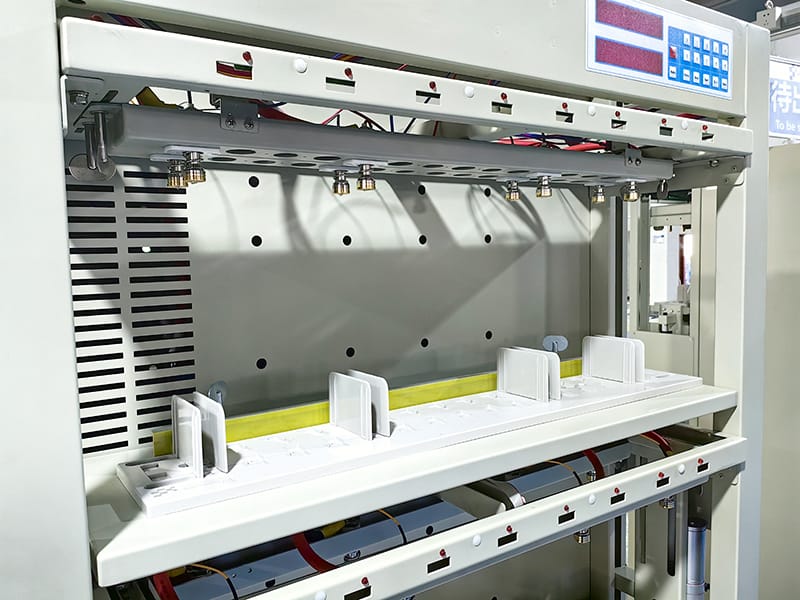
- Customized fixtures and cabinet layout available according to prismatic cell size
Applications
- Prismatic lithium battery cell grading
- LFP cell capacity sorting and consistency testing
- Energy storage battery cell production inspection
- EV battery module cell matching
- Battery factory formation, grading and pack assembly preparation
Why Prismatic Cell Grading Is Important
Before prismatic cells are assembled into modules, capacity and performance consistency directly affect module balance, pack reliability and service life. A grading machine helps identify cells with similar behavior, reduce mismatch risk and provide traceable test records for production quality control.
Information Needed for Quotation
- Prismatic cell size, capacity and chemistry, such as LFP or NCM
- Required voltage and current range
- Channel quantity and target daily testing capacity
- Formation, grading, aging or sorting process requirements
- Data export format and production traceability requirements
- Fixture, tray, cabinet layout and workshop space requirements
FAQ
What cells can this prismatic cell grading machine test?
It is mainly used for prismatic lithium battery cells, including LFP and other lithium-ion cell types. Fixtures can be customized according to the actual cell dimensions.
Can the current and channel quantity be customized?
Yes. XWELL can recommend different current and channel configurations according to cell capacity, testing process and production output requirement.
Can it be used before battery module assembly?
Yes. Cell grading helps match prismatic cells with similar capacity and performance before module stacking, compression, welding and pack assembly.
Related Equipment
- Prismatic cell sorting machine for OCV and internal resistance sorting after cell grading
- Prismatic cell stack and compress machine for module stacking and controlled compression
- Prismatic cell CCD polarity inspection machine for polarity detection before welding
- Prismatic cell laser cleaning machine for terminal cleaning before busbar welding
- Prismatic battery laser welding machine for busbar and module connection welding
- Battery pack BMS testing machine for protection board inspection before pack assembly
Request a Prismatic Cell Grading Solution
Send us your prismatic cell size, capacity, voltage range, current requirement, channel quantity and testing process. XWELL can recommend a suitable prismatic battery cell grading machine for your production project.
| Equipment structure | |
| Number of equipment channels | 32 channels |
| Size | 1684Lmm×800Wmm×1640Hmm |
| Fixture form | four-wire method fixture |
| Fixture distance | 37mm |
| Support cell model | Prismatic |
| Working power | 3-phase five-wire AC380V ± 10%, 50HZ |
| Working power | ≤10KW |
| Working environment | temperature 0 ~ 40 ℃, relative humidity ≤80% |
| Cooling method | natural air intake, upward exhaust |
| Channel parameters | |
| Voltage measurement range | 0-5V, resolution 1mV |
| Battery voltage range | charging 0-4.5V;discharging 4.5-2V |
| Constant voltage range | 2.5-4.5V |
| Voltage accuracy | ±(1 ‰ reading + 1 ‰ full scale) |
| Current range | charge 100mA -50A; discharge 100mA -50A, resolution 1mA |
| Current accuracy | ±(1 ‰ reading + 1 ‰ full scale) |
| Type | Energy regenerative, save energy |
| Feedback efficiency | >70% |
| Software functions | |
| Control mode | software installed computer connected equipment work, whole cabinet control |
| Communication method | RS485, baud rate 57600 |
| Process setting | up to 32 steps and 256 cycles can be set |
| Charging mode | constant current, constant voltage |
| Charging cut-off conditions | voltage, current, time, capacity |
| Discharge mode | constant current |
| Discharge cut-off conditions | voltage, time, capacity |
| Protection function | over voltage, under voltage, over current, under current, over capacity protection, power failure protection, data breakpoint recovery |
| Time range | arbitrarily set within 0-30000 minutes, time unit is min |
| Time accuracy | ≤±1 ‰ |
| Sampling inspection cycle | ≤8s |
| Minimum data recording frequency | ≤8s |
| Battery sorting | sort by (capacity, time, open circuit voltage, discharge platform, etc.) |
| Data processing | can record voltage, current, time, capacity and other data, automatically calculate constant current charge ratio, capacity loss, discharge efficiency, average voltage, median voltage and other data, provide data graph sand cycle diagrams; can generate text, EXCEL, WORD or MDB database format file |