
Li-ion Battery Electrolyte Degassing Chamber for Cylindrical Cell
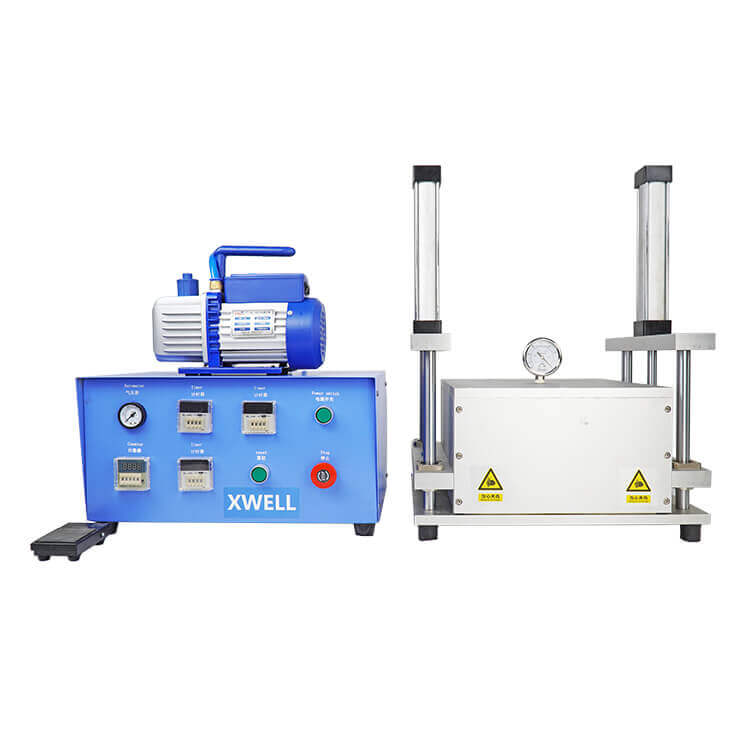
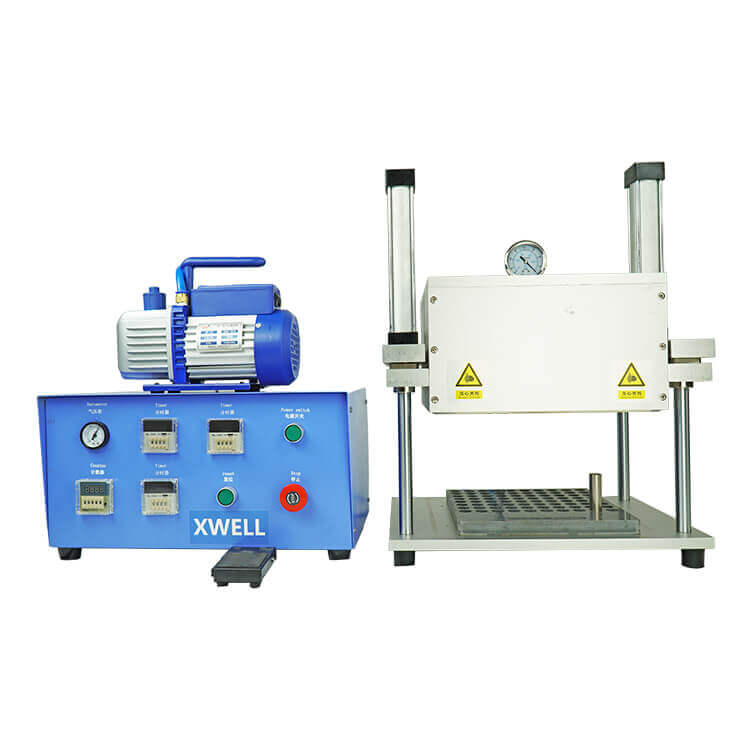
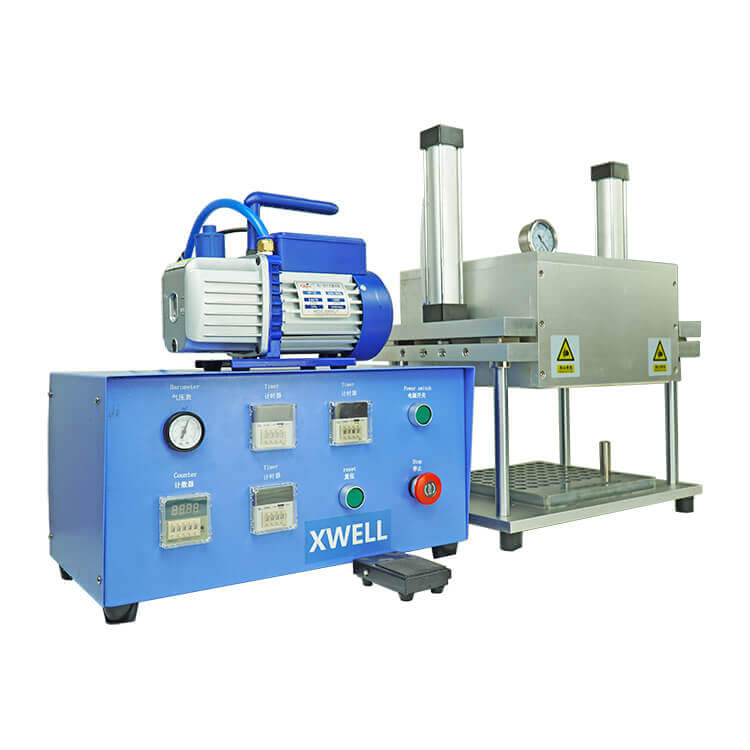
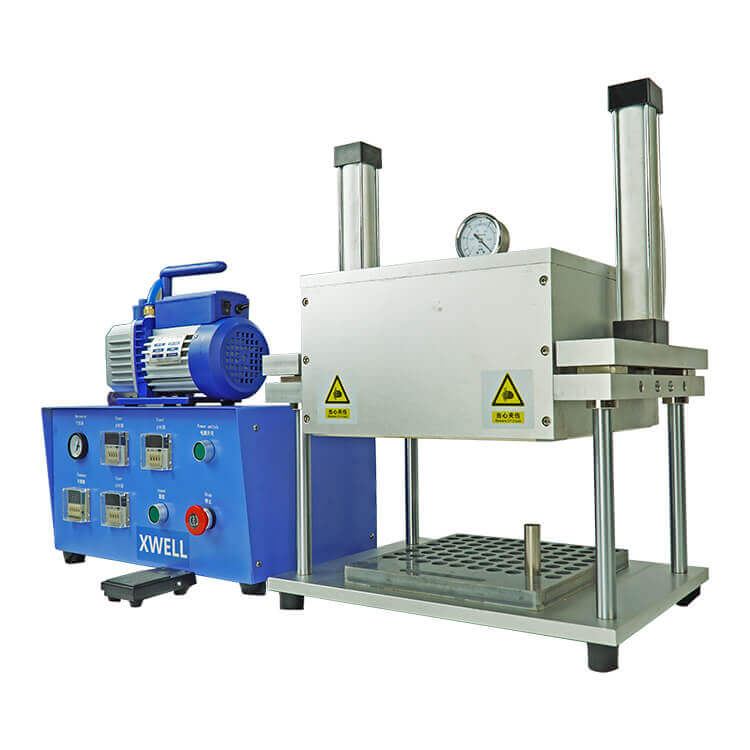
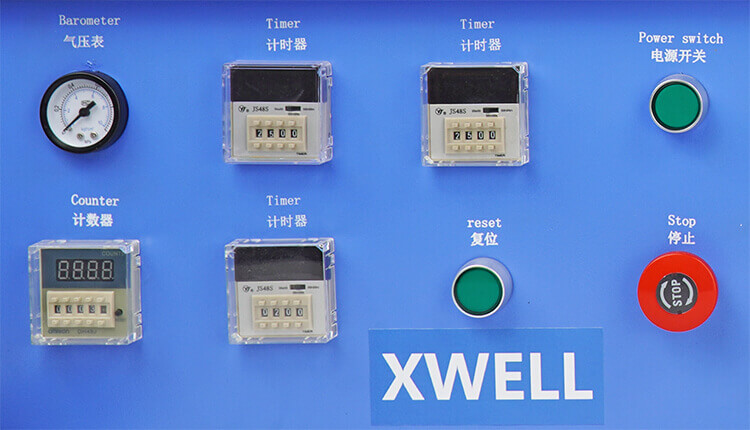
Model: XW-JZ200
Usage: vacuum degassing after electrolyte injection for cylindrical cells
Application: lithium battery laboratory research
Configuration: multi-cycle vacuum control, split main machine and control box
Warranty: 1 year
Li-ion Battery Electrolyte Degassing Chamber for Cylindrical Cell is designed for electrolyte diffusion and air removal after electrolyte injection. The original XW-JZ200 description states that it removes air from electrolyte after injection into polymer Li-ion cells or cylindrical cells, and can also be used after formation before final sealing under vacuum.
The chamber uses periodic vacuum control to help electrolyte saturate the electrodes more thoroughly, improving the reliability of later charge-discharge testing.
Machine Function
- Remove trapped air after electrolyte injection
- Help electrolyte penetrate and saturate electrode pores
- Support vacuum treatment before final sealing
- Allow visual observation through the perspective window
Key Features
- Multiple-cycle vacuum operation for better electrolyte diffusion
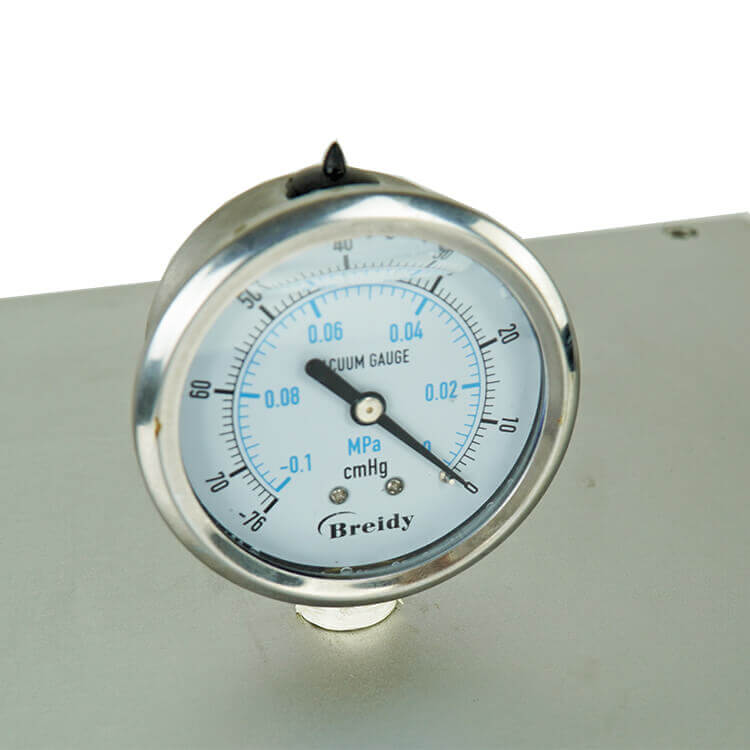
- Stable vacuum holding during operation
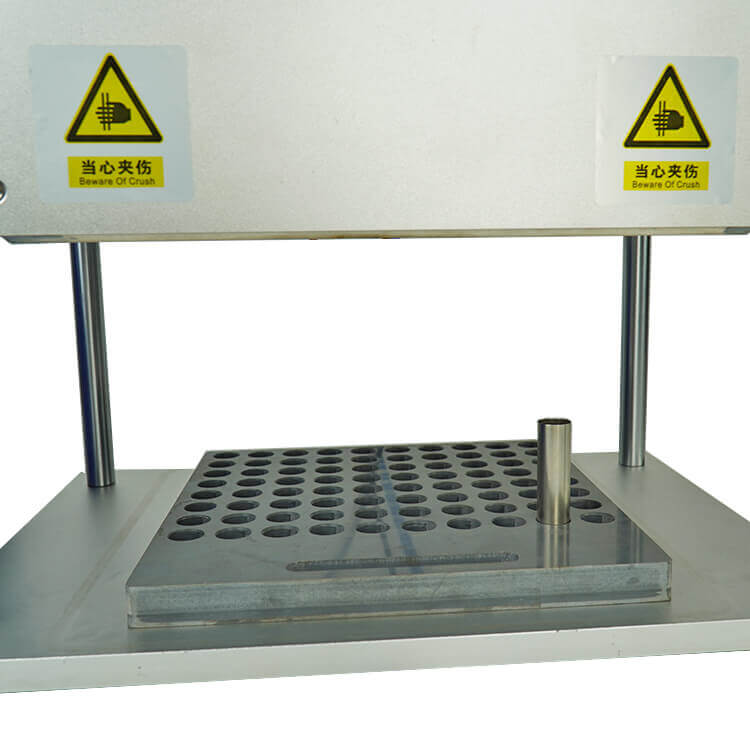
- Upper chamber driven by cylinder and guided by linear bushings
- Adjustable for different battery specifications
- Split design of main machine and control box for glove box or line use
Applications
- Cylindrical cell electrolyte degassing
- Polymer Li-ion cell electrolyte diffusion
- Battery R&D after electrolyte injection
- Vacuum processing before final sealing
Information Needed for Quotation
- Cell type and size
- Number of cells per batch
- Glove box or standalone operation
- Required vacuum process and cycle time
FAQ
Why degas after electrolyte injection?
Degassing removes air and helps electrolyte fully wet the electrodes, which supports more stable cell performance testing.
Can it work in a glove box?
The original description notes a split design, allowing use in a glove box or assembly line.
Related Equipment
- Glove box
- Digital pipetting device
- Cylindrical cell crimping machine
- Vacuum drying oven
Request an Electrolyte Degassing Solution
Send us your cell size, batch quantity and vacuum process. XWELL can recommend a suitable electrolyte degassing chamber.
Product Images


| No | Item | Parameter |
| 1 | Working Voltage | 110/220 V ± 10%, 50/60 Hz |
| 2 | Max. Power Consumption | 100 W |
| 3 | Compress Air | 0.5~0.8Mpa |
| 4 | Inner Chamber Size(L*W*H) | 326*220*170 mm, can be customized according to glove box size |
| 5 | Chamber Body | 12mm thick Aluminum case with observation window |
| 6 | Vacuum Level | 1. Vacuum condition remains stable, vacuum degree and vacuum circulation times can be set independently. 2. Vacuum mode (once or twice) can be selected 3. Easy program setting for specific vacuum condition 4. Vacuum degree can up to -95kpa, with good sealing, can guarantee 1 minute air leakage is not more than 0.01 MPa |
| 7 | Vacuum Condition Hold Time | 0 – 9999 sec, adjustable |
| 8 | Operation Temperature | -20~40℃ |
| 9 | Product Dimensions (L*W*H) | Vacuum Box: 480 *300* 450 mm Control Unit: 460 *220* 340 mm |
| 10 | Weight | 40 kg |
| 11 | Warranty | One year limited warranty with lifetime support |