
Cylindrical Cell Heat Press Machine for Lithium Battery Research
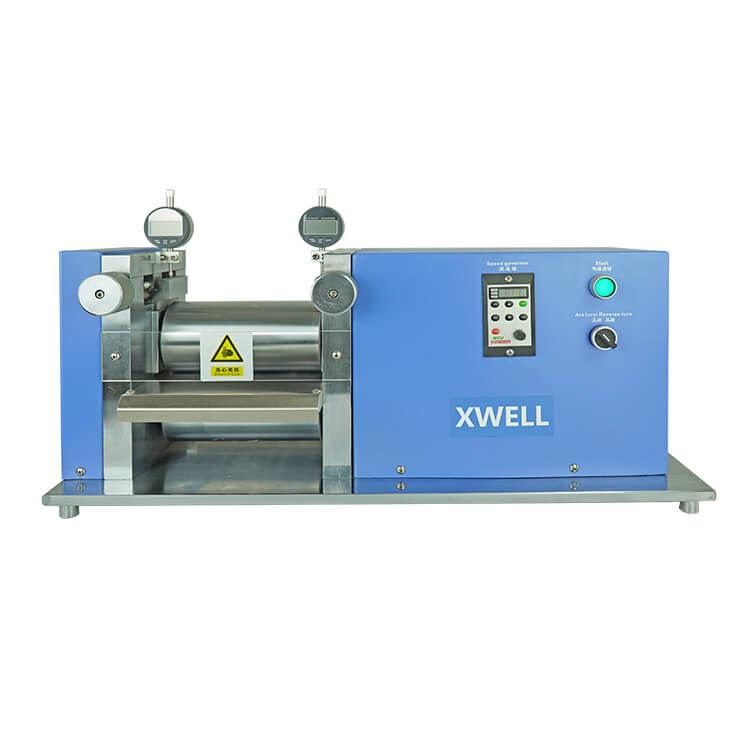
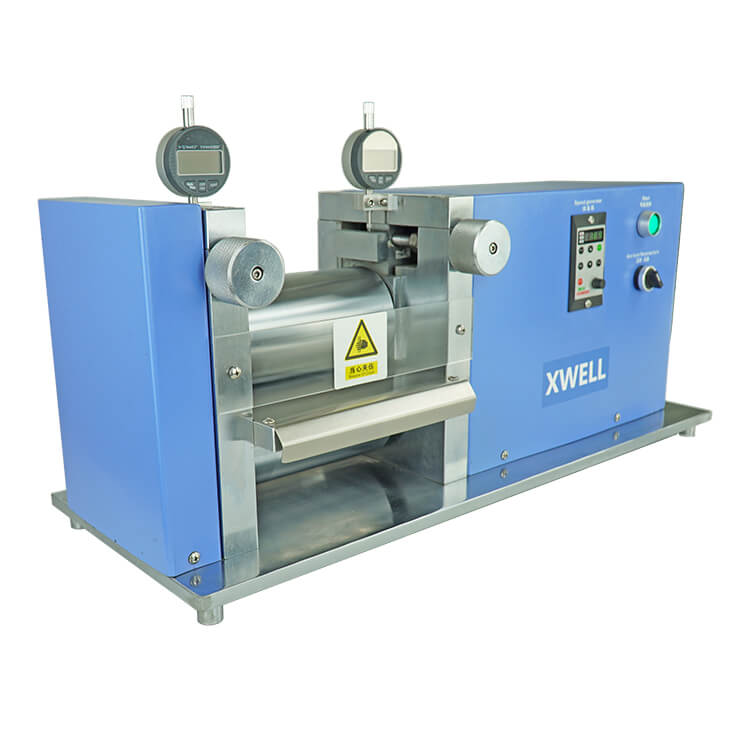
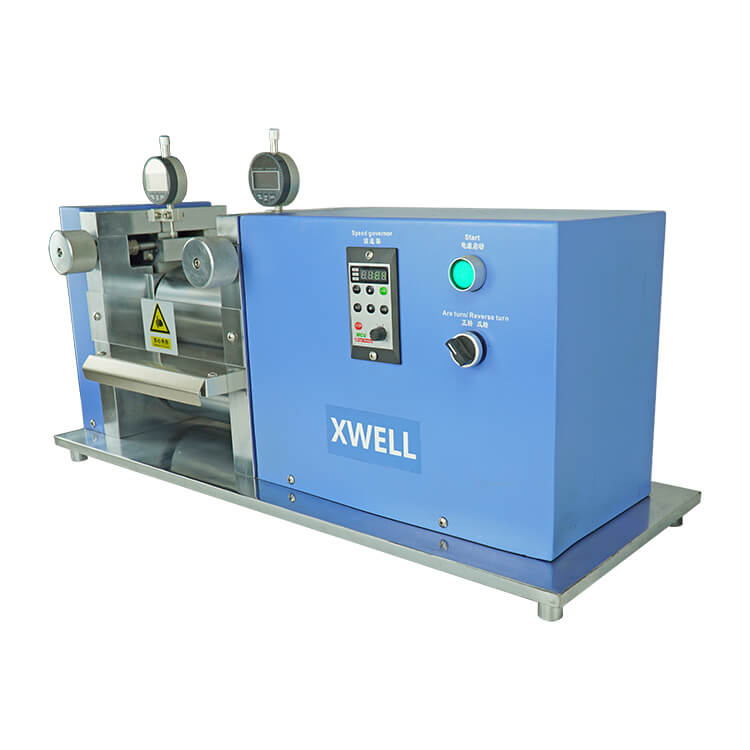
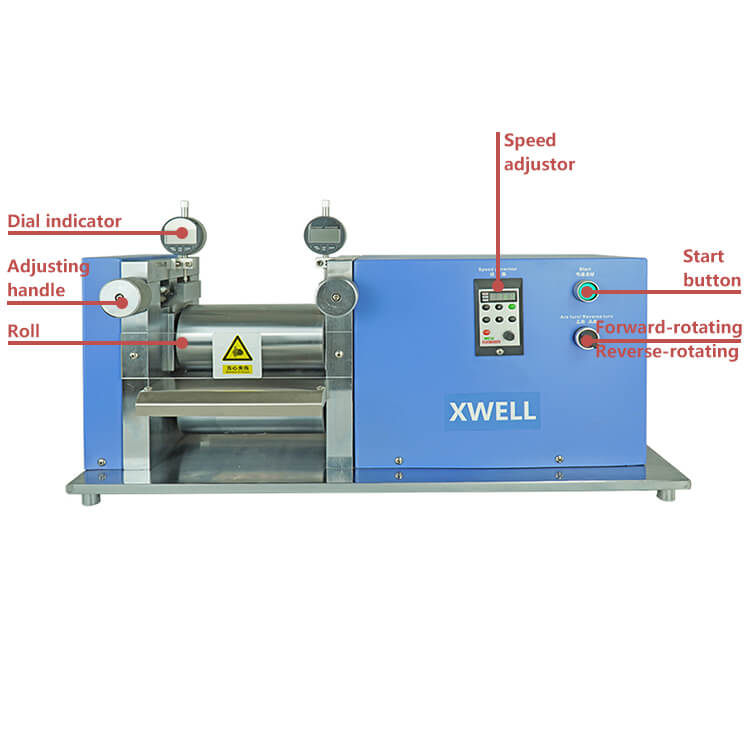
Model: XW-GYJ
Usage: hot rolling press for cylindrical cell electrode sheets
Application: lithium battery laboratory research
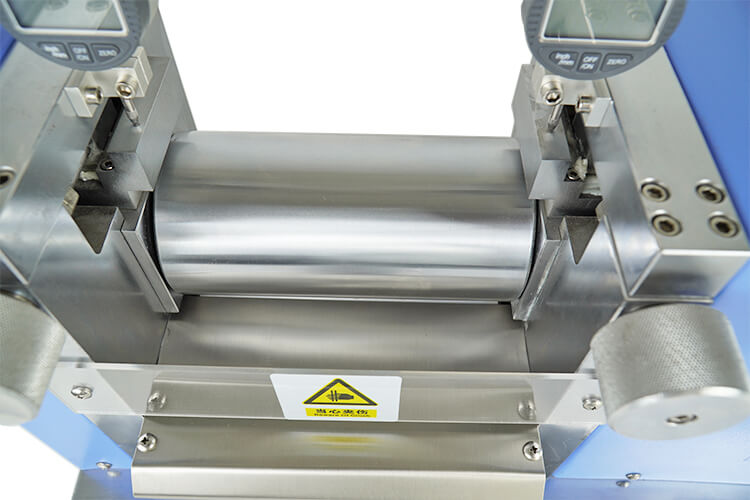
Configuration: dual rollers, heating control, micrometer gap adjustment
Warranty: 1 year
Cylindrical Cell Heat Press Machine for Lithium Battery Research is a compact hot rolling press for preparing cylindrical cell electrode sheets. The original XW-GYJ description shows it is used after electrode coating and drying to adjust electrode thickness and increase active material density.
It is suitable for lithium battery laboratories working with cylindrical cell cathode and anode sheets, as well as small samples of copper, aluminum and other non-ferrous metal materials.
Machine Function
- Roll and densify coated electrode sheets
- Adjust electrode thickness before slitting or winding
- Support hot rolling with digital temperature control
- Improve electrode density and consistency for cell assembly
Key Features
- Dual rollers with precise gap adjustment
- Heating function with thermostat control and digital display
- Hardened tool steel rollers with chrome electroplated coating
- Inclined block adjustment for stable self-locking
- Compact structure for laboratory use
Applications
- Cylindrical cell electrode preparation
- Electrode rolling after coating and drying
- Battery material densification research
- Lab-scale cathode and anode sheet processing
Information Needed for Quotation
- Electrode sheet width
- Required thickness range
- Heating temperature requirement
- Material type and lab workflow
FAQ
Is this used before cylindrical cell winding?
Yes. Electrode rolling is normally done before slitting and winding to help control electrode thickness and density.
Can it work without heating?
The original description notes that the machine can be selected for use with or without heating.
Related Equipment
- Electrode coating machine
- Battery slitting machine
- Semi-auto winding machine
- Vacuum drying oven
Request a Cylindrical Cell Electrode Preparation Solution
Send us your electrode width, thickness target and cell format. XWELL can recommend a suitable lab electrode processing setup.
Product Images


| No | Model | XW-GYJ100/200/300 | |||
| 1 | Voltage | 110V – 220V AC, 50/60Hz | |||
| 2 | Roller | 1. Dimensions: 96 mm(Dia.)*100/200/300 mm(W) 2. Material: ceramic coated on hardened tool steel with HRC > 62, which have much hard than Cr plated roller and provides better surface roughness. 3. Ceramic coating material: 97% is chromic oxide; 3% is aluminum oxide, calcium oxide and magnesium oxide 4. High resistance to corrosion, acid and alkalinity, and reduce metallic contamination |
|||
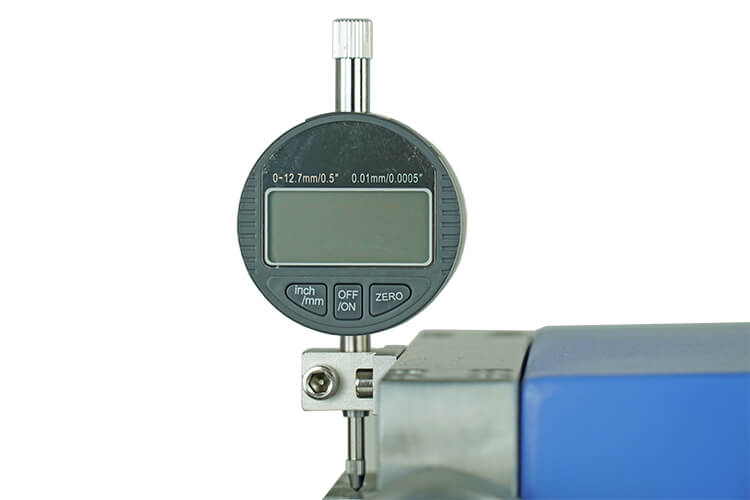
| 3 | Structure | 1. Heavy duty steel frame, gears and handle 2. φ96 mm Rollers made from hardened tool steel (HRC>62) with Cr electroplated coating 3. Dual micrometer for accurate thickness adjustment in the range 0~2 mm maximun. |
|||
| 4 | Rolling Press Accuracy | ≤±0.005 mm | |||
| 5 | Rolling Press Thickness | 0~2 mm adjusted with dial gauge | |||
| 6 | Cylindrical Degree | ≤±2um | |||
| 7 | Rolling Press Width | 0~300mm, can be customized | |||
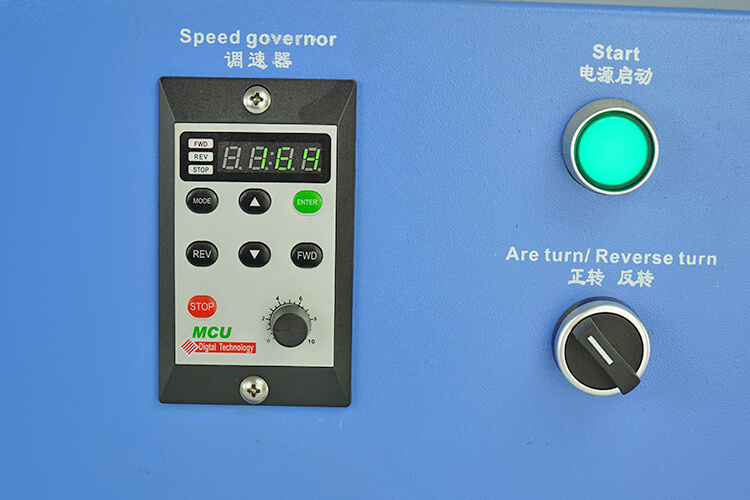
| 8 | Rolling Speed | 0~40mm/s, can be adjusted | |||
| 9 | Rolling Temperature | 0~200℃, temperature can be adjusted, digital display | |||
| 10 | Dimensions(L*W*H) | 385 *245 *355 mm | |||
| 11 | Weight | 55KG | |||
| 12 | Standard Configuration | An Allen wrench, two dial indicator, one feeler | |||
| 13 | Warranty | One year limited manufacture warranty with lifetime support | |||
| 14 | Application Notes | The XW-GYJ roller is specially designed for battery R&D in terms of its advantages as affordable, compact and precise. 1. Must use acetone to clean and dry rollers’ surfaces after each use to avoid rusting. 2. Apply anti-rust lubricant on roller surface if machine were to be unused for a long period of time. 3. The minimum thickness of the rolled sheet should depend on the physical property of the materials. Here are some results from our test: |
|||
| Electrode | Size W*L | Original thickness | Finished thickness | ||
| LiFePO4 double sides | 50*260mm | 0.205mm | 0.07mm | ||
| LiMn2O4 double sides | 50*260mm | 0.205mm | 0.07mm | ||
| Copper foil + graphite (single side) | 75*240mm | 0.09mm | 0.04mm | ||